Education For The Whole Child
Our Philosophy: Whole-Child Readiness
At Bright Path Bright Minds, we believe a child's ability to learn is only as strong as their ability to feel secure, understood, and emotionally ready. That's why we build academic skills and emotional intelligence together — not one before the other.
Many programs focus heavily on early academics — letters, numbers, and worksheets — while treating emotional growth as separate, something to "deal with" only when a child is struggling. We see it differently. Before a child can fully focus, problem-solve, or feel confident raising their hand, they need the tools to navigate frustration, big feelings, and social moments with other children. So at Bright Path Bright Minds, those skills are woven into everyday learning, not treated as an afterthought.
What this looks like day to day:
Your child will build early literacy and math readiness through hands-on, engaging activities — while also learning to recognize their emotions, calm their body, and work through challenges. Our calm corner, weighted stuffies, and simple breathing exercises aren't just tools in the room; they're part of how we teach children to understand and manage themselves, right alongside how we teach them to read and count.
Why it matters:
This isn't just about being ready for kindergarten content. It's about helping your child build the kind of confidence and emotional foundation that carries them through every classroom, every challenge, and every new experience ahead — not just this year, but for years to come.
We call this our Whole-Child Readiness approach — because we believe every bright mind deserves a strong foundation, built on both knowledge and heart.
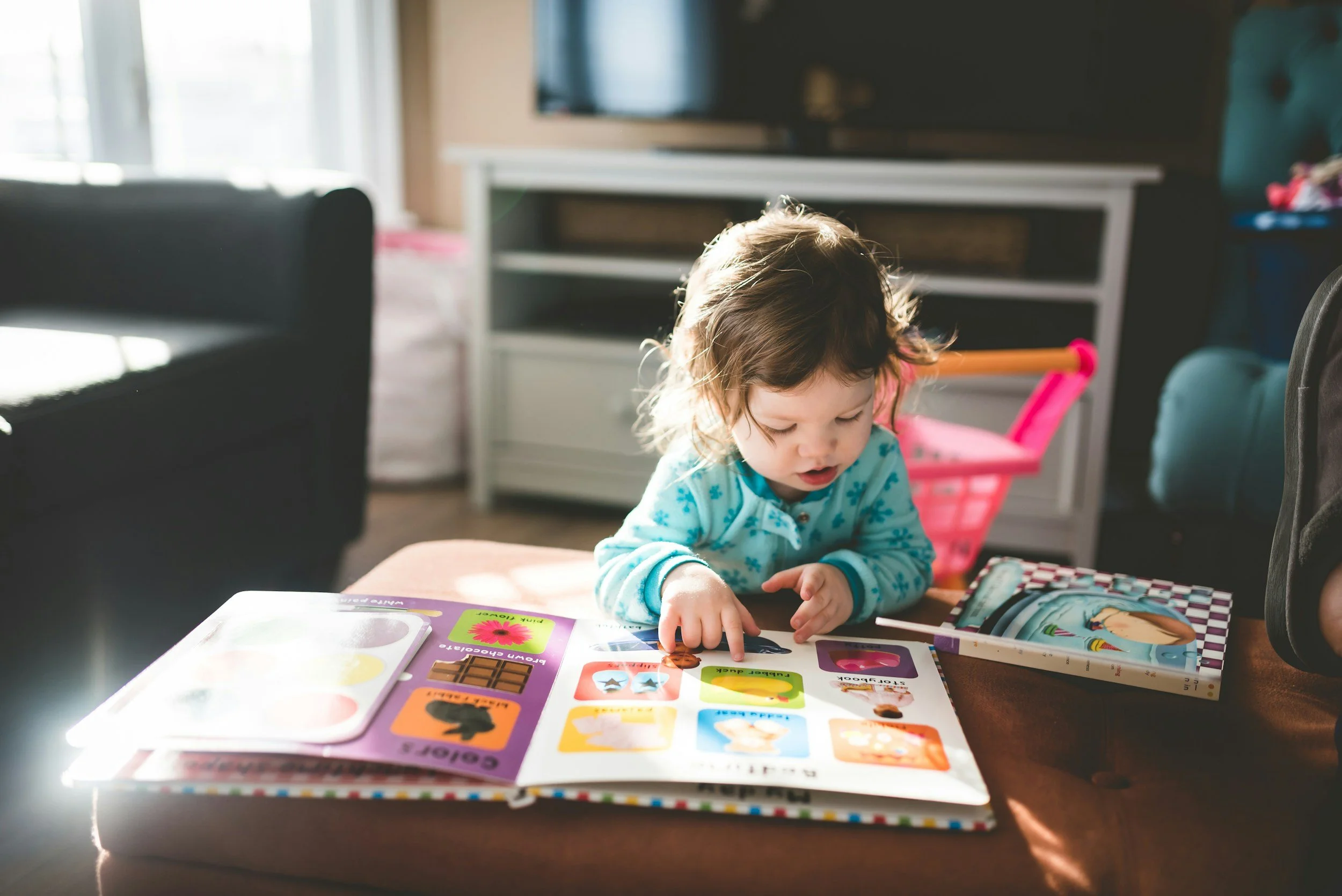
Long before a child sounds out their first word, they're already becoming a reader — through the rhythm of a bedtime story, the back-and-forth of conversation, and the joy of hearing their name in a song. At Bright Path Bright Minds, we surround children with language all day long: rhyming games, picture books, storytelling, and plenty of real conversation. As children grow, we introduce letters, sounds, and eventually writing — always through hands-on, playful activities rather than worksheets or drills. Our goal isn't just to teach children to read; it's to help them fall in love with stories and language first, so that reading feels like an adventure, not a chore.
Early Literacy
Math is everywhere in a young child's world — counting stairs on the way upstairs, sorting blocks by color, noticing that one plate has more crackers than another. We build on that natural curiosity with hands-on activities that let children touch, move, and experiment with numbers, patterns, shapes, and measurement. Rather than memorizing facts, children develop a real, intuitive understanding of "how many," "bigger and smaller," and "what comes next" — the foundation every child needs before formal math instruction begins. By the time our children head to kindergarten, math already feels familiar and fun, not intimidating.
Early Math
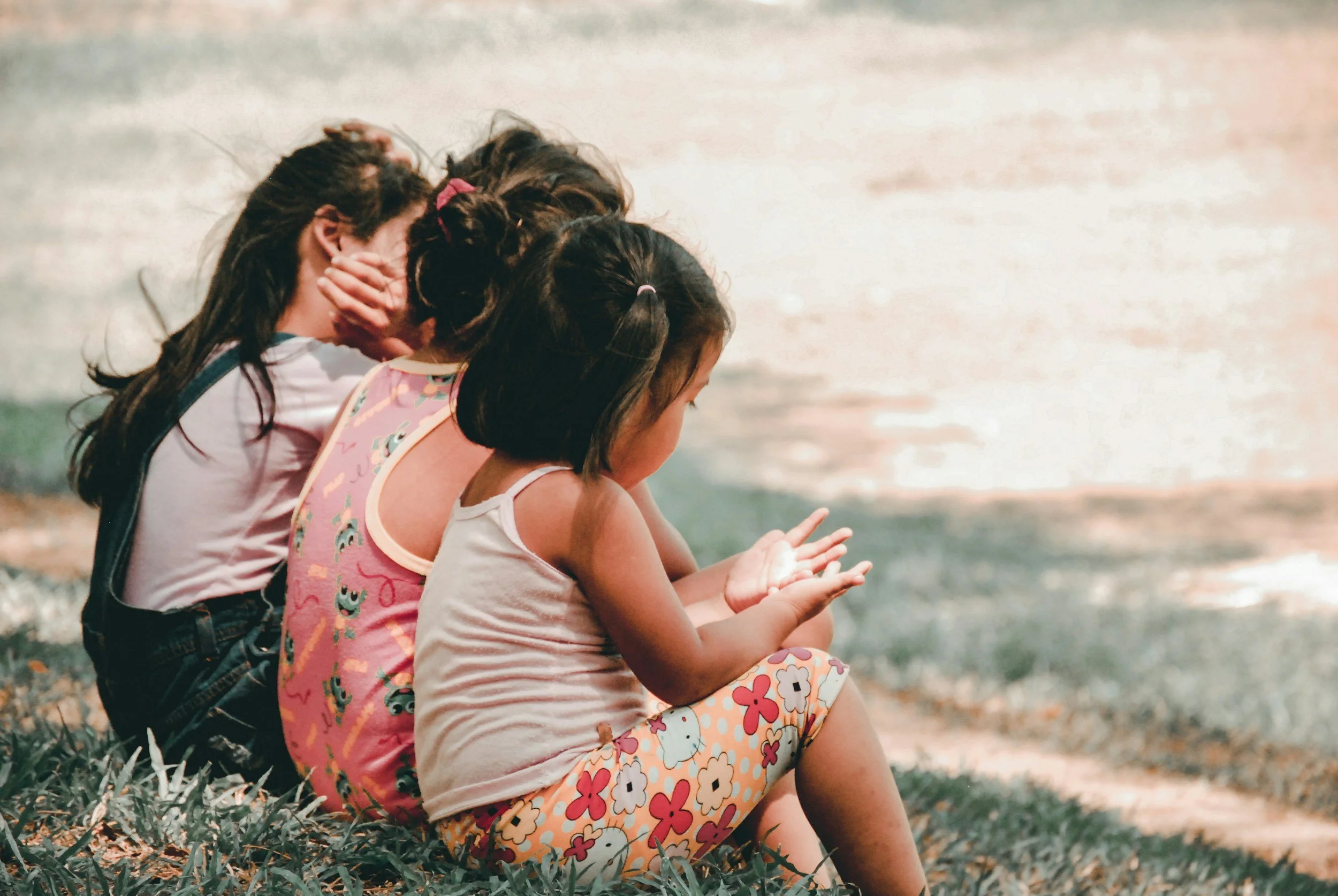
We believe emotional growth is just as essential as academic growth — maybe more so. Every day, children are learning how to name their feelings, calm their bodies, share, take turns, and work through disagreements with a friend. Our caregivers guide these moments with warmth and consistency, using real conflicts and everyday interactions as teaching opportunities rather than moments to simply manage or redirect away from. Over time, children build genuine empathy, confidence, and the social skills that help them form real friendships — skills that matter just as much in kindergarten as knowing their ABCs.
Social-Emotional Learning
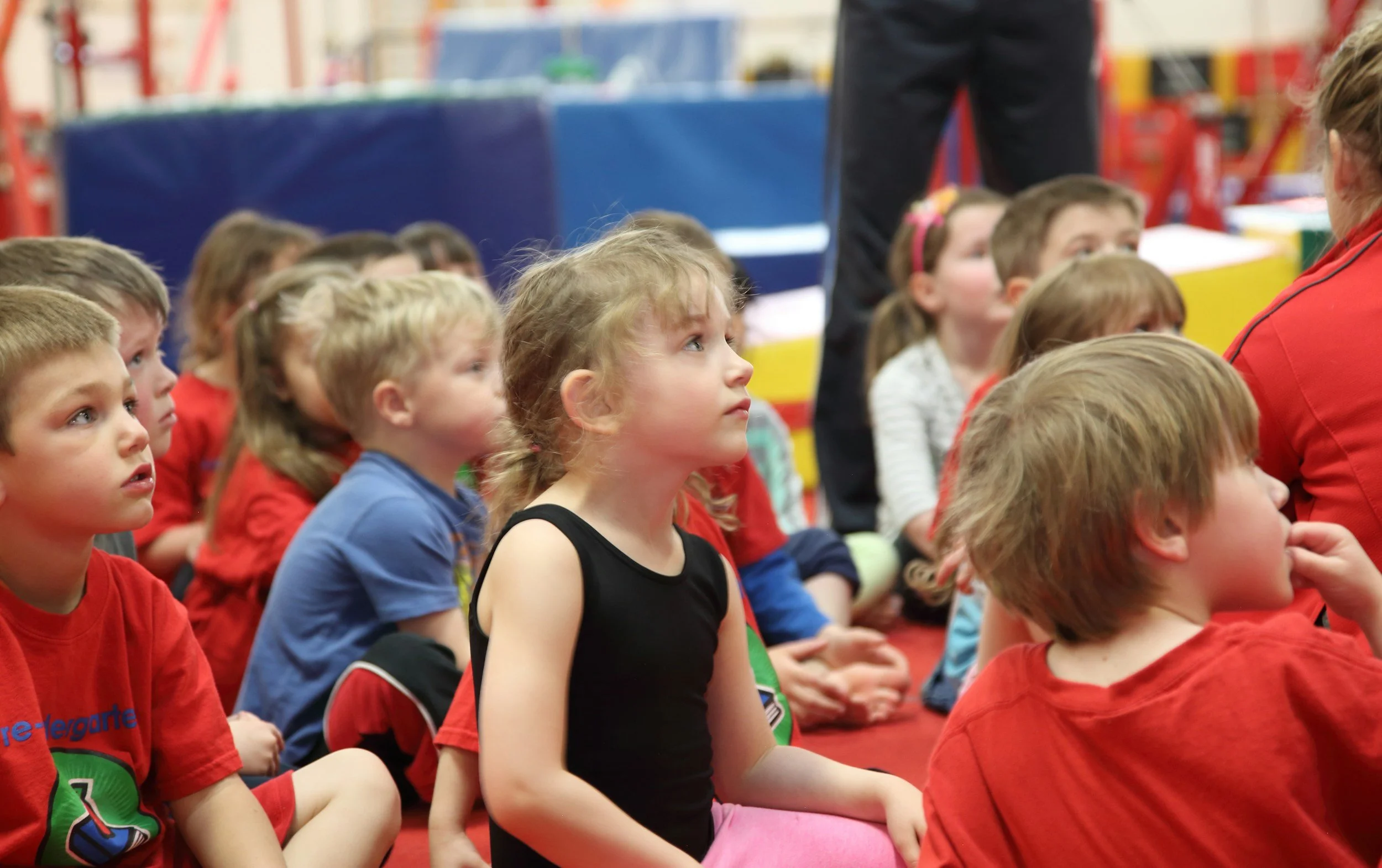
These are the quiet skills that make everything else possible: the ability to focus on a task, manage big feelings, follow multi-step directions, and work through a challenge instead of giving up. We call these "executive functioning" skills, and they're every bit as important as academics — some research suggests they're an even stronger predictor of school success. Through games, hands-on projects, and gentle daily practice, children learn to pause before reacting, stick with something tricky, and find their own solutions. It's less about giving children the answers and more about giving them the tools to figure things out themselves — a gift that lasts well beyond the preschool years.
Focus, Self-Awareness and Problem Solving
Contact Us
Drop us a quick note and schedule a Bright Path tour today!